How navigating difficult conversations and accepting feedback can help us see ourselves and others more fully.
As we become increasingly adapted to a two-dimensional way of life it can be quite literally difficult to zoom out and see one another’s perspective. Research has shown that those who struggle to navigate difficult conversations suffer 3x more in virtual teams than in co-located.1
One of the most loving, empathetic acts we can participate in is listening to another person’s perspective to see them more fully. When clients are gripped in conflict it is very common that they are arguing their position versus focusing on where their interests align. When two people can zoom out and get a better view of each other, progress begins.
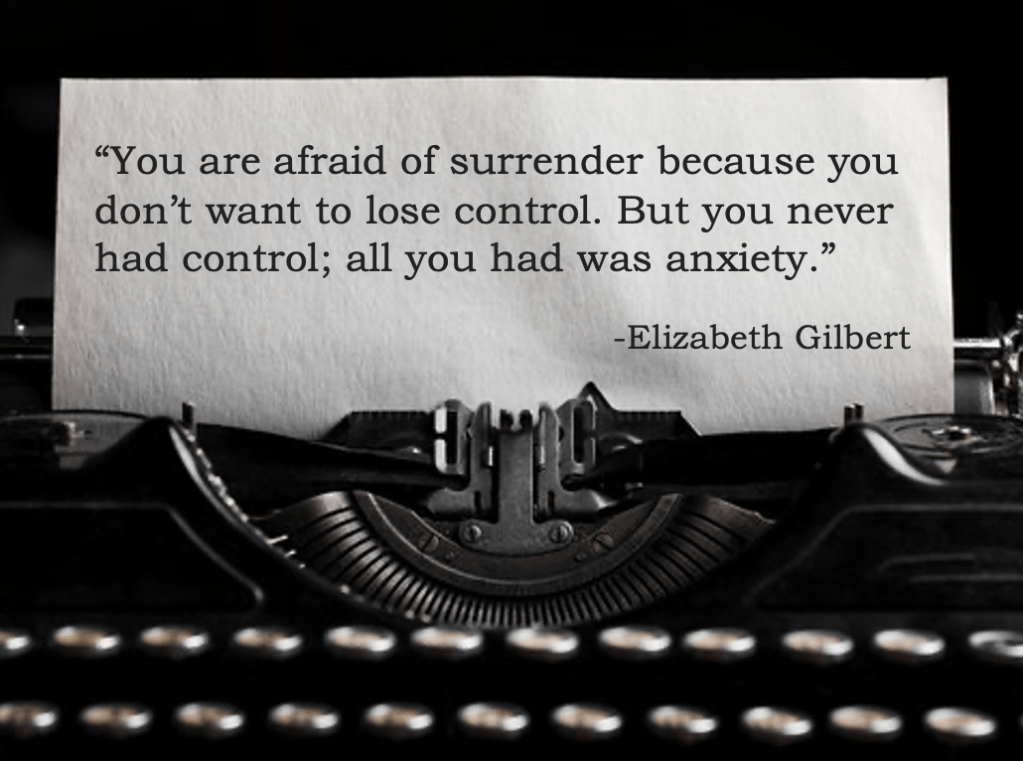
On Tuesday I sent a text to a friend and much to my surprise it was the beginning of an argument. I miss the days when a voice call was king or even further back when I would type out letters on a typewriter. The thought and care that I put into each word to avoid having to start over again with a new piece of paper. The mesmerizing sound of the keys clacking and the ding of the carriage return. Nowadays when clients send screen shots of texts or email strings that went awry, I think, “This would not have happened on a typewriter.”
If someone is angry with you, consider what they might be afraid of. With a better view you can see anger for what it is. Anger allows for a sense of power and control in situations where we find ourselves feeling hopeless. Ask yourself, “Why might someone feel this way? Is there more autonomy and decision making I could give them to restore some balance in the relationship? A better view allows you to hear criticism for what it is, it is a wish for something different. In this person stirs a desire for change.
When my friend and I connected on the phone, we were able to share our perspectives and gain a better view of each other. The conversation was a good reminder that when you do not challenge your thoughts through inquiry, you become challenging to others and expose yourself to unnecessary suffering. If the goal is understanding shared interests, locking in on positions on who is right or wrong about certain events can be incredibly unproductive.
Honesty is an expensive gift – don’t expect it from cheap people.
Warren Buffet
Let’s face it most of us dread giving feedback, and most are not eager to receive it. The receiver thinks the provider could have said it better or at a better time. The provider thinks the receiver should have accepted the feedback more graciously. I have heard a range of comments regarding how feedback was given:
“They are telling me this now. Here? What were they thinking?
They told me on a Tuesday, can you believe it. Everyone knows Tuesday is the worst day to give feedback.
I was headed out for vacation, how rude.
It is the middle of the workday, now I can’t focus.
I had just walked in the door and was prepared to eat dinner. Now I can’t eat.
I was on my way to the gym.
I have yet to hear, “I want to tell you about my five-star feedback I just received. I was just wrapping up my morning meditation, my prefrontal cortex was online and fully engaged when I received the perfect feedback from my coworker, they could not have timed it better.” You get the idea there is not a suitable place and time for feedback, but at times it is the only pathway to gain perspective. Love is allowing space for a better view. Be kind, generous, and open to feedback. Happy Valentine’s Day ❤️
Related Post: Avoid the Common Pitfalls: How to Create Successful Organizational Assessments
Related Article: Korn Ferry, Who Needs Conflict Training? You do.

Michele Leedom
MicheleLeedom@ClintonStreet.Consulting
Michele is an executive coach, trainer, and facilitator located in Portland Oregon. She supports leaders in understanding the importance of high quality communication and conflict resolution skills in acheiving high quality lives. Our increasingly pluralistic society calls on executives to have higher level leadership skills such as navigating paradox and advanced conflict management. Most communication trainings are insufficient to meet the needs of today’s world.

 Clinton Street Consulting