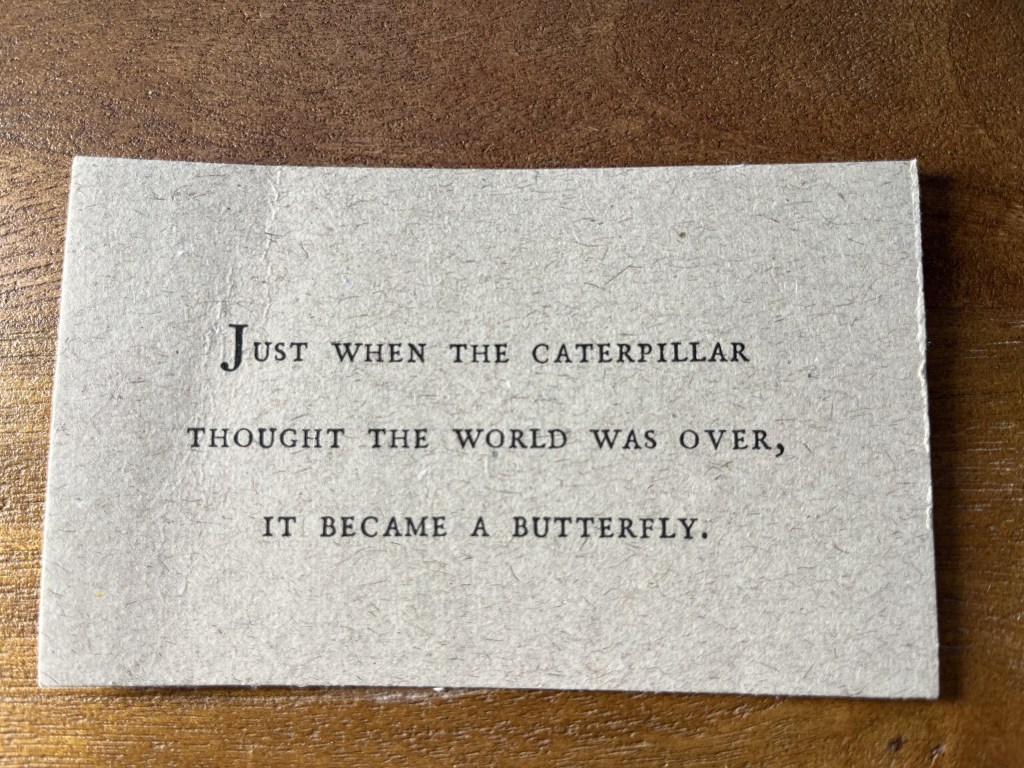
I was pulling together notes on negativity bias and loss aversion for an upcoming training and suddenly thought, “Hello Michele.” Saying this year has been difficult for me would be an understatement. In the Universe there are no accidents and I needed to read these notes as a reminder that when we are making decisions based on fear fueled by negative thought patterns, we shrink our future potential.
Throughout the course of our lives, we will receive any number of challenges. We can rise to the occasion and grow or bury our head in the sand and shrink. Don’t do that, the world needs you and awaits your talents. After all, life is the whim of billions of cells to be you for a while.
I remember a few years ago seeing #ToxicPositivity and finding it really triggering. I have been accused of being a Positive Polly many times in my life. I was always very proud of this because I had a difficult childhood. My younger years seemed like a constant exercise in believing something bigger was possible getting to that point of impossibility and stretching it further once I arrived.
“I used to be so delusional. I always imagined I could be more than I was, and eventually, I became that person.” -Lady Gaga
I have learned that being positive is real work. We have evolved to feel and remember negative events to a magnitude that does not match happy events of the same scale. Negative events burn far too brightly to benefits us in our world today.
We have all heard it before, media is too negative, if it bleeds it reads, etc. It is easy work to gather people around anger. In my experience people are not moved towards progress by anger, they join it. Creating fear to motivate is not difficult, creating a foundation where people feel safe, secure, and positive is, but it is from this state of being that we are in the best place to make sound decisions when it comes to our future.
Anger is an important emotion to let us know an injustice has occurred. It is equally important to channel this emotion (energy) to form a community committed to love, compassion, and collective truth.
So how do we get this three-pound meatball between our ears to cooperate and work for us rather than against us? Consider the following:
How do you start your morning? Starts are meaningful whether it is a new relationship or the start of your day. Begin your day with something meaningful.
Putting it into practice
Daily reading from the, Mindfulness Essentials Series, by Thich Nhat Hanh. These tiny books are powerful. Reading just two pages a day with a cup of coffee can be a great daily habit.
Morning affirmations, there are so many to choose from so find your favorite, but Mary Graser has a nice collection of topics that are less than two minutes in length.
Daily gratitude, end the day focused on what are you grateful for. Are there three things you can take stock in before you go to sleep? I have a re-occurring annual calendar invite titled the ABCs of gratitude. Each year I make a list A to Z of what I am grateful for. This is easy to do on a piece of paper or input it into an excel file. There are also loads of free templates online you can download and fill out. If your keep your lists each year it is interesting to see what changed from year to year as a self-awareness exercise.
Happy Folder, when I receive an email that makes me smile. I put it in an email folder labeled happy. I can’t tell you what wonders this folder has served on difficult workdays. Which we all have.
Find your people, who has been there for you? We are relational beings and long for a community that provides us with a sense of inclusion, belonging, and mattering. Make sure you are there for those folks in your life. A handwritten card or an unexpected phone call can go a long way in making people feel seen and valued.
If you decide to take any of these tips what’s important is to stick to it. The strategy that works is the one that you follow. I see too many organizations that I work with today being data led. This is dangerous. It is important to lead with a strategy and have your data inform you on whether its working. People are the same, if you find yourself doom scrolling and taking in a constant stream of noise it is important to remember what’s guiding you.
We all have the ability to share knowledge and be knowledgeable, but wisdom comes only to those who live it. We value those in our lives whose life experiences match the knowledge they share. Those who dare to be guided by a vision of what’s possible.
I will admit, I played on negativity bias for the title of this post. If I had titled it, “How to be Positive”, would you have clicked on it? The real problem with positivity – it is hard work. We are hard wired to look out for threats in our environment. If this hardwiring is coupled with life experiences that included trauma, instability, and uncertainty it will be even harder. As they say the hill looks steep if our backpack is full. How will you practice self-compassion and lighten your load before making your next climb?
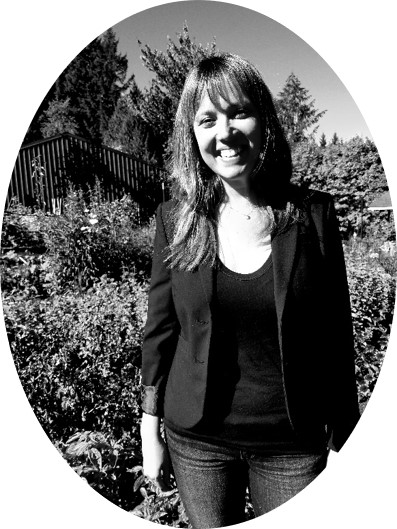
Michele Leedom
MicheleLeedom@ClintonStreet.Consulting
Michele is an executive coach, trainer, and facilitator located in Portland Oregon. She supports leaders in understanding the importance of high quality communication and conflict resolution skills in acheiving high quality lives. Our increasingly pluralistic society calls on executives to have higher level leadership skills such as navigating paradox and advanced conflict management. Most communication trainings are insufficient to meet the needs of today’s world.
 Clinton Street Consulting